
Interviews, documentaries, talks
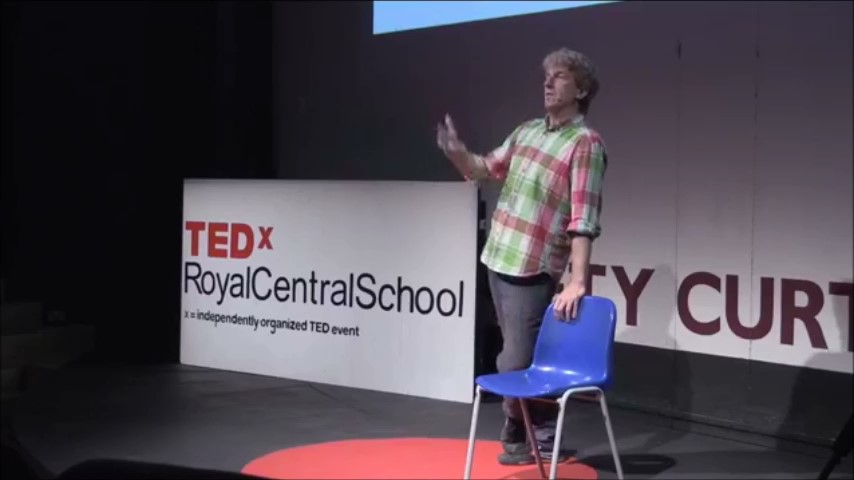
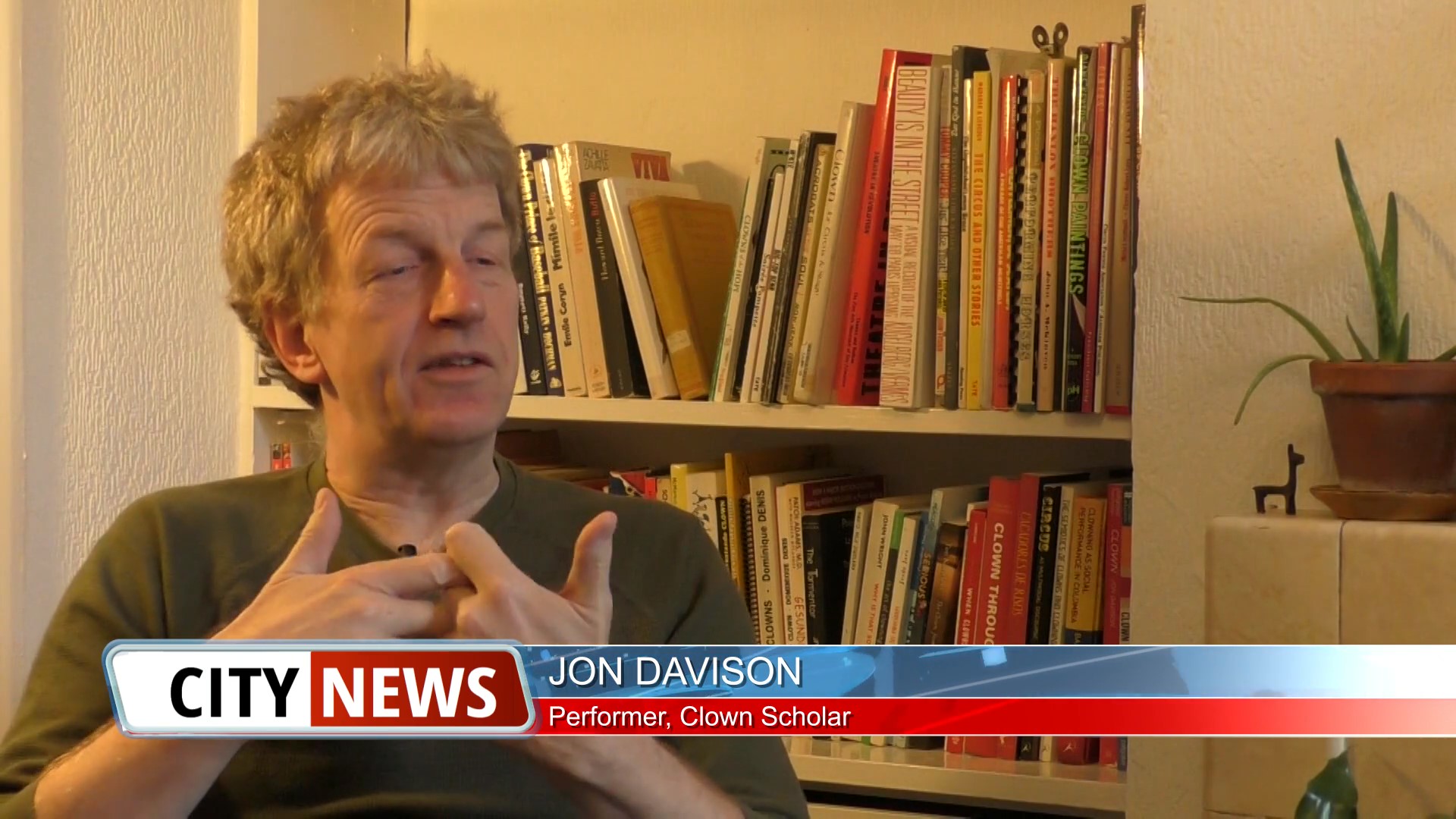
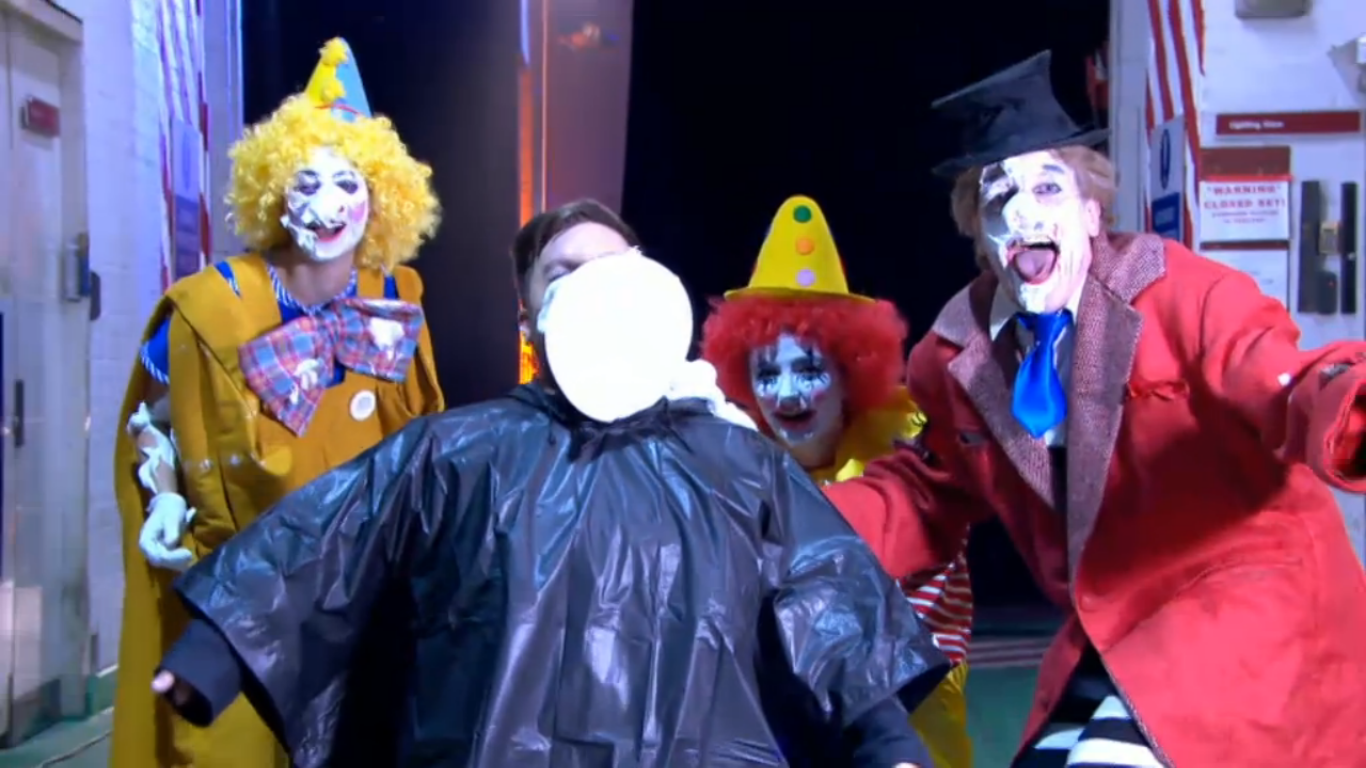
A selection of video and audio where I talk about clowns and clowning.

I am ...
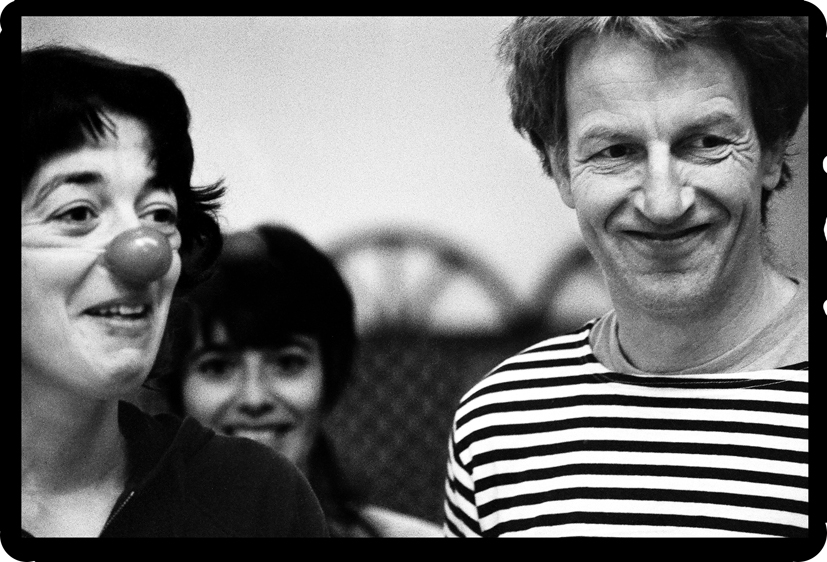
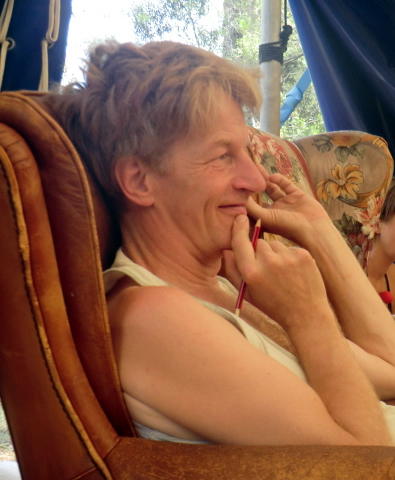
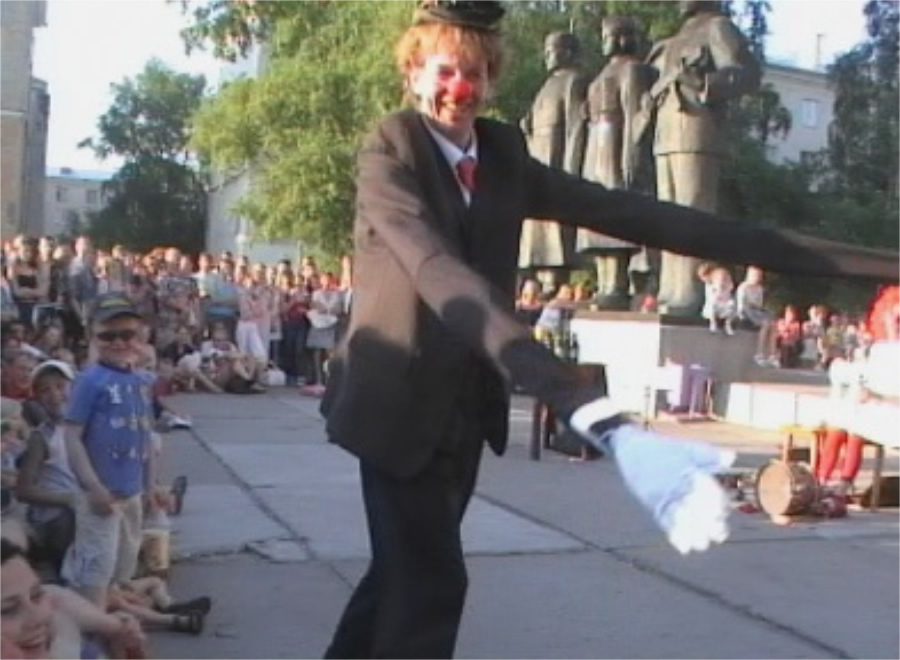
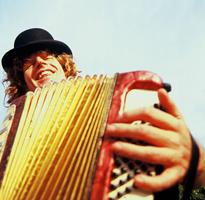
Jon Davison is a clown performer, teacher, director, producer, researcher and musician with over 40 years’ experience in theatre, street, circus and TV. He teaches, directs and mentors regularly in the UK and internationally.
He trained at the École Philippe Gaulier (London) and Fool Time Circus School (Bristol). He has toured festivals, theatres, tents, streets and bars throughout Europe from Sicily to the Arctic, and taught across the globe from South Africa to Quebec, Peru, Shanghai and New York. He has directed innumerable shows, from melodrama to clowning, for Camden Roundhouse, Edinburgh Fringe and Adelaide Fringe.
As a co-founder of Companyia d’Idiotes, he was at the forefront of the new clown revival in Barcelona of the 1990s. He taught clown, improvisation and acting at the Institut del Teatre de Barcelona from 1996-2006, when he became a co-founder of the Escola de Clown de Barcelona, facilitating the collaboration of international teachers within a syllabus including historical and theoretical studies.
From 2007-2010 he was an AHRC-funded Creative Fellow investigating contemporary clown/actor training at Central School of Speech and Drama (London), where he obtained his PhD in Clown Performance Practice. This research led to the publication of his first book, ‘Clown Readings in Theatre Practice’ (2013), which was followed by ‘Clown Training, a practical guide’ (2015), and ‘The Clowning Workbook’ (2023). All three books have been influential internationally within the community of clown practitioners and students, on both practical and theoretical levels.
Pre-pandemic he was producer of the long-running monthly clown show ‘Friday Flop’ which brought experimental and new clowning forms to the general public, drawing on new developments in clown teaching and research.
Through the design and online delivery of the unique theoretical and historical course, Clown Studies (2020-2024), as a strong advocate of decolonising clowning, he lent critical rigour and allyship to the burgeoning global re-examination of historical and current clowning practices and philosophies in the light of BLM.
He is currently Lecturer in Clowning at London Metropolitan University and runs the London Clown School’s programme of year-round workshops and intensive practical studies. His current research focuses on collaborations with neurodivergent clown performers in revising notions of the non-normative in clowning.
He is preparing a new solo, ‘PooPoo the Clown’.
Jon Davison is a clown performer, teacher, director, producer, researcher and musician with over 40 years’ experience in theatre, street, circus and TV. He teaches, directs and mentors regularly in the UK and internationally.
He trained at the École Philippe Gaulier (London) and Fool Time Circus School (Bristol). He has toured festivals, theatres, tents, streets and bars throughout Europe from Sicily to the Arctic, and taught across the globe from South Africa to Quebec, Peru, Shanghai and New York. He has directed innumerable shows, from melodrama to clowning, for Camden Roundhouse, Edinburgh Fringe and Adelaide Fringe.
As a co-founder of Companyia d’Idiotes, he was at the forefront of the new clown revival in Barcelona of the 1990s. He taught clown, improvisation and acting at the Institut del Teatre de Barcelona from 1996-2006, when he became a co-founder of the Escola de Clown de Barcelona, facilitating the collaboration of international teachers within a syllabus including historical and theoretical studies.
From 2007-2010 he was an AHRC-funded Creative Fellow investigating contemporary clown/actor training at Central School of Speech and Drama (London), where he obtained his PhD in Clown Performance Practice. This research led to the publication of his first book, ‘Clown Readings in Theatre Practice’ (2013), which was followed by ‘Clown Training, a practical guide’ (2015), and ‘The Clowning Workbook’ (2023). All three books have been influential internationally within the community of clown practitioners and students, on both practical and theoretical levels.
Pre-pandemic he was producer of the long-running monthly clown show ‘Friday Flop’ which brought experimental and new clowning forms to the general public, drawing on new developments in clown teaching and research.
Through the design and online delivery of the unique theoretical and historical course, Clown Studies (2020-2024), as a strong advocate of decolonising clowning, he lent critical rigour and allyship to the burgeoning global re-examination of historical and current clowning practices and philosophies in the light of BLM.
He is currently Lecturer in Clowning at London Metropolitan University and runs the London Clown School’s programme of year-round workshops and intensive practical studies. His current research focuses on collaborations with neurodivergent clown performers in revising notions of the non-normative in clowning.
He is preparing a new solo, ‘PooPoo the Clown’.
How I've survived as a clown...
How to survive as a clown. This is what I've been doing all my adult life and I'm still doing it.
I have spent 40+ years exploring what clowning is, how it works, how to do it, how to learn it, what it means and what it is for.
I started performing by accident, and felt it had to be my vocation, without knowing why.
Then I started studying it, in order to understand how and the why what I was doing was clowning.
I started teaching it when I was a student, in order to try and work out how to do it better.
I started researching its history, in order to understand why many of the things I had been told about clowning were wrong, and didn’t work.
Today, I am still dedicated to exploring this paradoxical and ubiquitous artform which is so often denigrated as low yet so often has pretensions to wisdom. As one of my students recently suggested, clowns are anthropologists, we study humans.
My projects include:
Collaborate practical research with other clown performers and teachers worldwide
Large-scale performances aimed at the widest range of audiences
Solo clown acts
Directing, mentoring and tutoring clown artists
Teaching worldwide, in universities, drama schools, and all kinds of communities
Writing books about clowns and clowning, their history and variety across cultures
As I grew up and continue to live in a society and culture where everything is monetised, all this exploratory behaviour has come at a cost.
Sometimes I get paid to do it (teaching, mostly, and sometimes performing). Sometimes I don’t (research, most writing, some performing). On rare occasions, I’ve been paid to think about clowns and clowning (a three-year research fellowship at Central School of Speech and Drama).
At other times, the research happens under cover of teaching, which for me is always exploratory and asking the question ‘how do we do this thing called clowning?’ and never ‘ok, this is how you do it’. Many times, the cover is blown and the institution prefers to employ someone who will do the latter. But sometimes, I get lucky.
There have been times when money is tight, but then there is always the street. And again the same question: ‘how to do this thing called clowning … in the street?’
Sometimes, people and places are so kind as to offer their resources at little cost. The first instinct when someone gives you something cheap is to offer them more in return. And then the collaborations and the explorations blossom even more. But sometimes, people think that artists are a good source of hire income, whilst simultaneously expecting them to offer their experience cheaply, in the name of accessibility.
Maybe we can’t instantly transform our monetised societies into kinder places where everyone can get on with doing what they are good at in peace and with the security of having their basic needs met. Maybe we can’t suddenly make clowning sacred instead of precarious. But we can keep looking for better ways.
https://jondavison.blogspot.com/2023/12/how-to-survive-as-clown.html
How to survive as a clown. This is what I've been doing all my adult life and I'm still doing it.
I have spent 40+ years exploring what clowning is, how it works, how to do it, how to learn it, what it means and what it is for.
I started performing by accident, and felt it had to be my vocation, without knowing why.
Then I started studying it, in order to understand how and the why what I was doing was clowning.
I started teaching it when I was a student, in order to try and work out how to do it better.
I started researching its history, in order to understand why many of the things I had been told about clowning were wrong, and didn’t work.
Today, I am still dedicated to exploring this paradoxical and ubiquitous artform which is so often denigrated as low yet so often has pretensions to wisdom. As one of my students recently suggested, clowns are anthropologists, we study humans.
My projects include:
Collaborate practical research with other clown performers and teachers worldwide
Large-scale performances aimed at the widest range of audiences
Solo clown acts
Directing, mentoring and tutoring clown artists
Teaching worldwide, in universities, drama schools, and all kinds of communities
Writing books about clowns and clowning, their history and variety across cultures
As I grew up and continue to live in a society and culture where everything is monetised, all this exploratory behaviour has come at a cost.
Sometimes I get paid to do it (teaching, mostly, and sometimes performing). Sometimes I don’t (research, most writing, some performing). On rare occasions, I’ve been paid to think about clowns and clowning (a three-year research fellowship at Central School of Speech and Drama).
At other times, the research happens under cover of teaching, which for me is always exploratory and asking the question ‘how do we do this thing called clowning?’ and never ‘ok, this is how you do it’. Many times, the cover is blown and the institution prefers to employ someone who will do the latter. But sometimes, I get lucky.
There have been times when money is tight, but then there is always the street. And again the same question: ‘how to do this thing called clowning … in the street?’
Sometimes, people and places are so kind as to offer their resources at little cost. The first instinct when someone gives you something cheap is to offer them more in return. And then the collaborations and the explorations blossom even more. But sometimes, people think that artists are a good source of hire income, whilst simultaneously expecting them to offer their experience cheaply, in the name of accessibility.
Maybe we can’t instantly transform our monetised societies into kinder places where everyone can get on with doing what they are good at in peace and with the security of having their basic needs met. Maybe we can’t suddenly make clowning sacred instead of precarious. But we can keep looking for better ways.
https://jondavison.blogspot.com/2023/12/how-to-survive-as-clown.html
Some of my current general views on clowns and clowning
- I see clowning as a relational event - something made between bodies, audiences, and contexts - not discovered inside the self
- I experience it as a situated cultural form, not a universal human truth, as co‑produced, intersubjective, situational – local, contextual, constructed
- There is no archetypal or universal clown state, no “the clown”
- Clowning is global, pluralistic, diverse, eclectic
- I regard clowning as an evolving art that must be understood through both theory and embodied practice.
- I see clown history as having been narrowly defined by Eurocentric male traditions (red-nose, whiteface).
- I advocate for a decolonised, inclusive historiography that recognizes female clowns, global traditions, and hybrid forms.
- I don’t see clowning as a fixed lineage with a linear narrative, but as a population of practices shaped by culture, politics, and performance context.
- I see clowning as a relational event - something made between bodies, audiences, and contexts - not discovered inside the self
- I experience it as a situated cultural form, not a universal human truth, as co‑produced, intersubjective, situational – local, contextual, constructed
- There is no archetypal or universal clown state, no “the clown”
- Clowning is global, pluralistic, diverse, eclectic
- I regard clowning as an evolving art that must be understood through both theory and embodied practice.
- I see clown history as having been narrowly defined by Eurocentric male traditions (red-nose, whiteface).
- I advocate for a decolonised, inclusive historiography that recognizes female clowns, global traditions, and hybrid forms.
- I don’t see clowning as a fixed lineage with a linear narrative, but as a population of practices shaped by culture, politics, and performance context.