
London Clown School
Weekend Workshops
Venue (unless otherwise stated): Bold Elephant, 21 St.George’s Road, London SE1 6ES
Cost: £130 per weekend
Time: 10am-4pm Saturday and Sunday
To book your place, email info@jondavison.net for details on how to enrol
Maximum: 18 participants per workshop
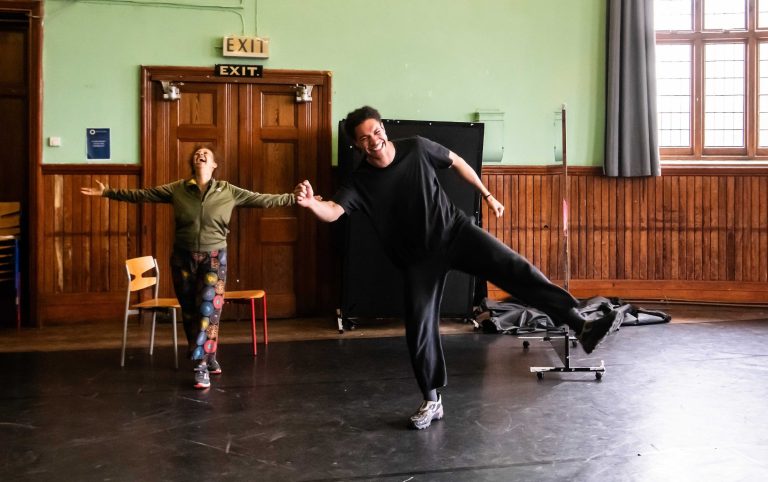
Next dates: tbc
“How do I perform now what I planned earlier?”
Bring together your material and the live audience response.
More info here
Clown Dynamics
Feeling and responding in front of people who may or may not laugh
Next dates: 21st-22nd November 2026
"How do I get into the mood for clowning?"
Explore the fundamentals fully, whether you're experienced or new to clowning.
More info here
Next dates: 5th-6th September 2026 (London)
“What’s my plan?"
Create your own clown performances.
This workshop is aimed at those who have already done some clowning or related performance previously.
More info here
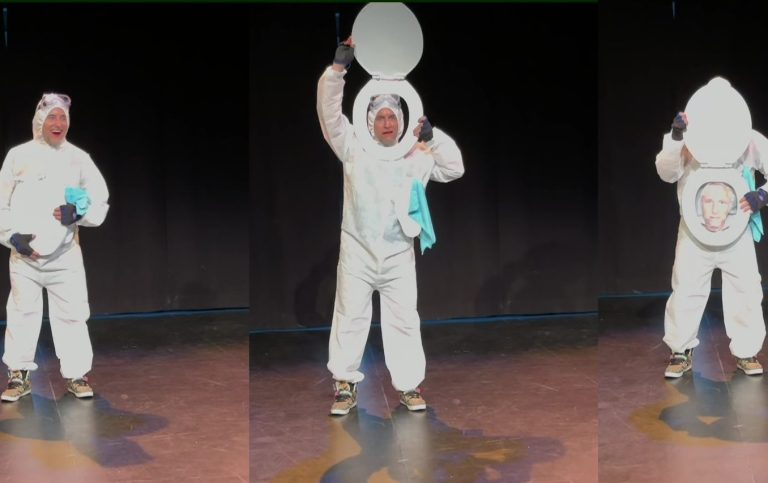
Creating Clowning
Planning material that may or may not be funny
Performing Clowning
Performing material that was supposed to be funny

These three workshops look at different parts of the same thing: clowning. What you feel and how you respond in front of people who may or may not laugh. What you plan before you appear before that audience, which is intended to be funny. And what happens when your plan meets a real audience.
Each workshop focuses on one element, but they inevitably overlap, because feeling, planning, and performing are never fully separate in practice. Together they offer a practical way to understand how clowns work with uncertainty, structure, and audience response, without pretending that any part of the process stands alone.
Three workshops about what you feel, what you plan, and what actually happens
The work of clowning sits on a simple triangle:
- how you feel in front of people who may or may not laugh,
- how you plan material that may or may not be funny,
- and how you perform material that was supposed to be funny.
Each workshop focuses on one point of that triangle.
Together, they build a practical understanding of how clowns work with audiences, uncertainty, and the gap between expectation and reality.
They are based on what performers actually do onstage.
- Feeling in front of people who may or may not laugh
- Planning material that may or may not be funny
- Performing material that was supposed to be funny